Remembering The Past – Celebrating The Future
In what is thought to be in the early part of the 1880’s a small group of people got together for worship. Needing somewhere to meet, the home of George Farrimond, who lived at 20 Fidler Street, welcomed them.
It wasn’t too long before the church group grew too large for the small terraced house. As the surrounding area consisted of small terraced houses, farmers fields and allotments, finding somewhere big enough proved a problem; so the group finally met up in a timber building on the allotments on the other side of a stream that ran at the bottom of Fidler Street. The piece of land where this building stood was know as ‘Charlie Whittle’s’ garden.
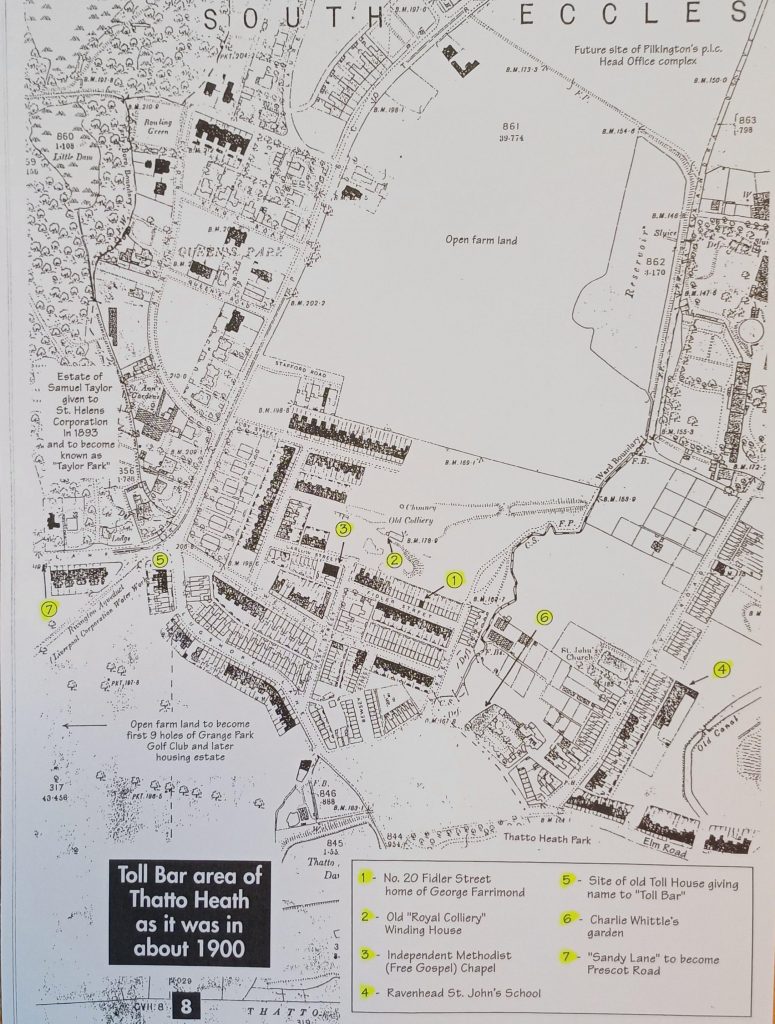
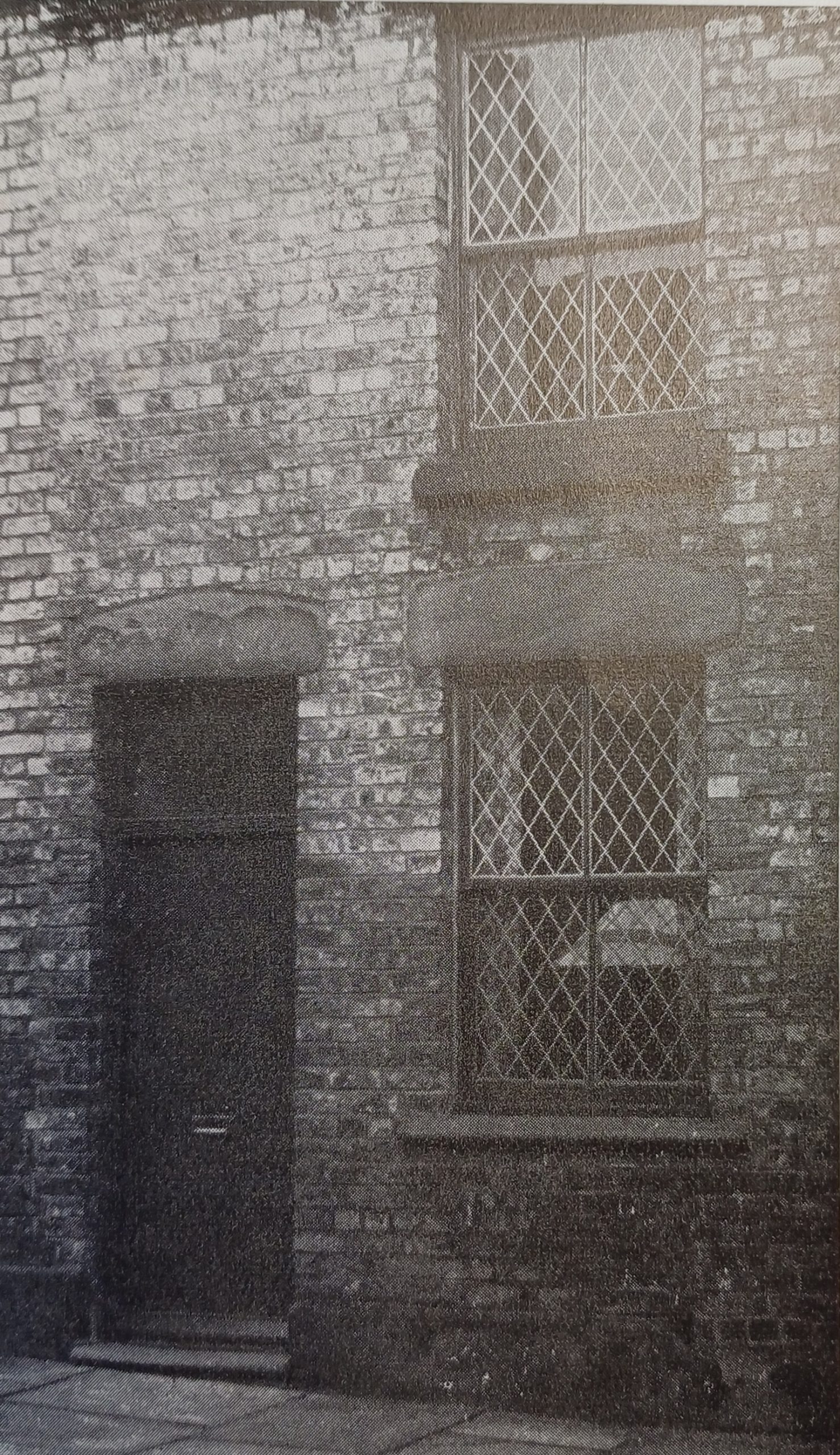
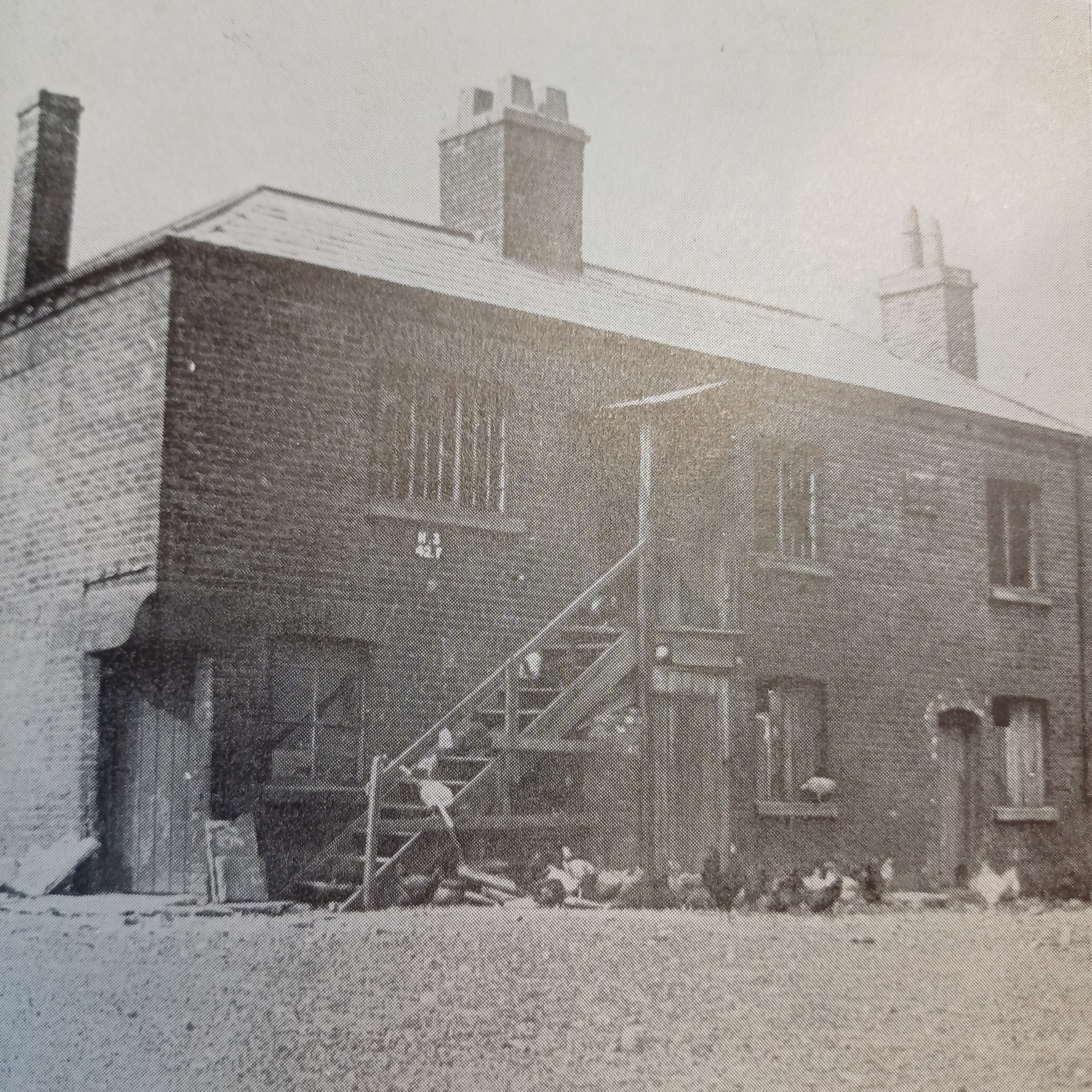
Before long, the fellowship increased in number and had outgrown the timber building. However, by this time, the Royal Colliery, which was sited on the land now occupied by our Church Centre and the bottom half of French Street, had closed down. The buildings of the former pit were empty, and so the fellowship moved from the timber building to the first floor of the pits ‘Winding House’. And so, the ‘Up Steps Chapel’ was born.
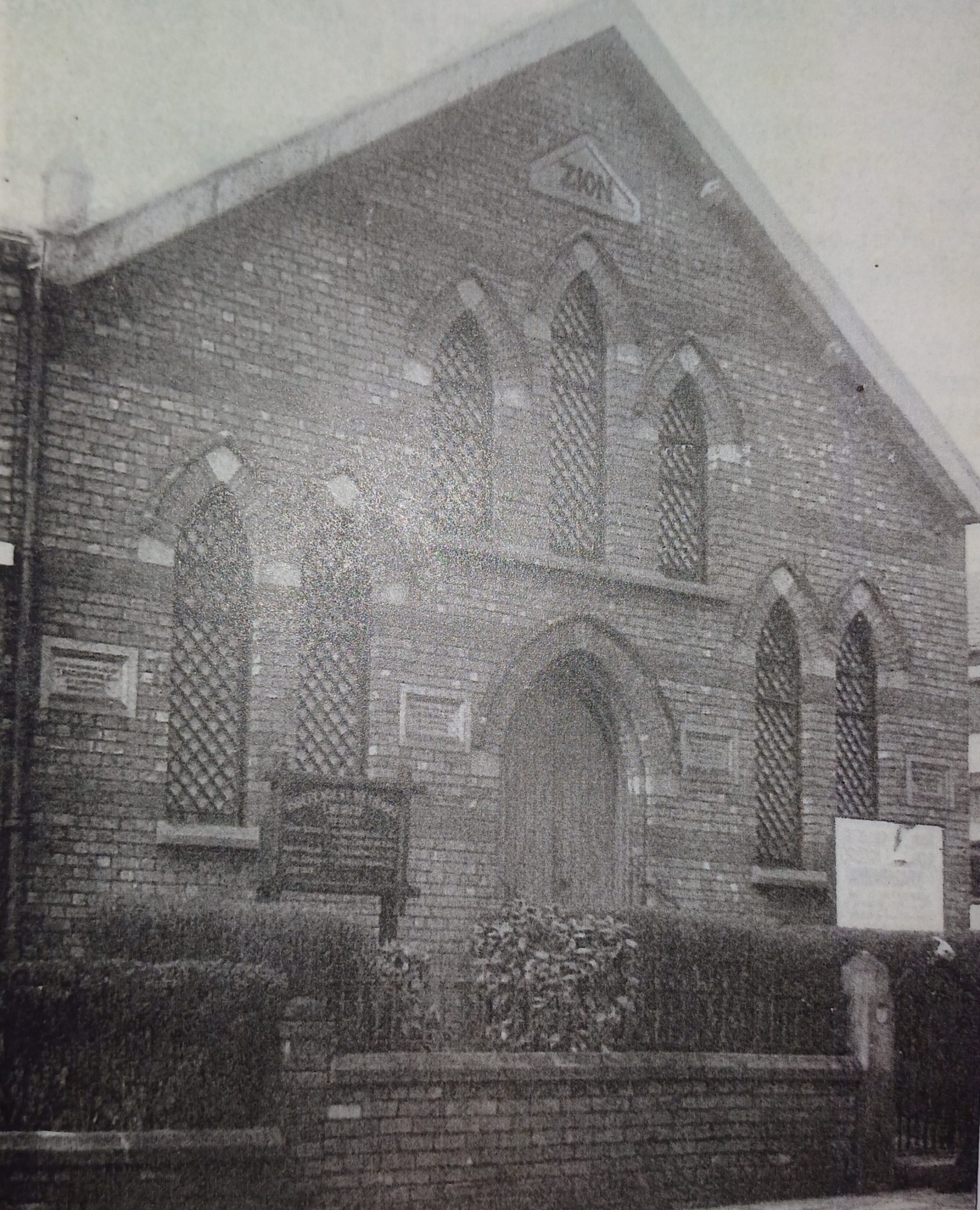
In the early days of the chapel, discussions were already taking place with a view to building a new place of worship. So with the help of the Free Gospel Chapels in Liverpool (Elizabeth Street and Tetlow Street) together with representatives of the Liverpool District of United Free Gospel Churches, a building committee was formed to discuss the new chapel with members of the Thatto Heath fellowship also sitting on the committee. Plans were prepared by a Liverpool architect, free of charge, and a local builder was contracted to carry out the works. In 1892 the foundation stones were laid, and in late 1892 the congregation moved in.
In those early days of the new church, the only two places catering for the community were the church and the local pub. So, knowing this, the church began to look at the possibilities of providing facilities for the purpose of social gatherings as well as for worship and religious teaching. Fund raising events began and along with help form the churches of Liverpool, some 30 years after the start of the church, an old wooden hut, formerly used by the British Legion, was purchased. This was erected on land previously occupied by the colliery which was purchased on very generous terms from Pilkington Brothers Limited. The Sunday School and Social Centre was born in 1926.
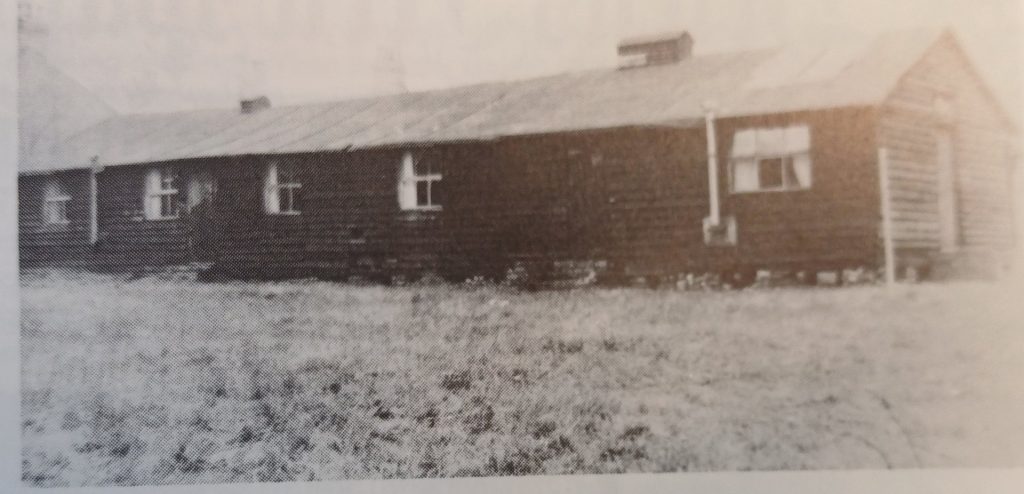
The timber building of 1926 had limited life and in 1958 the foundation stones of the new church hall and Sunday School were laid. The timber building was demolished and the site laid out as a grassed recreation area to serve the building.
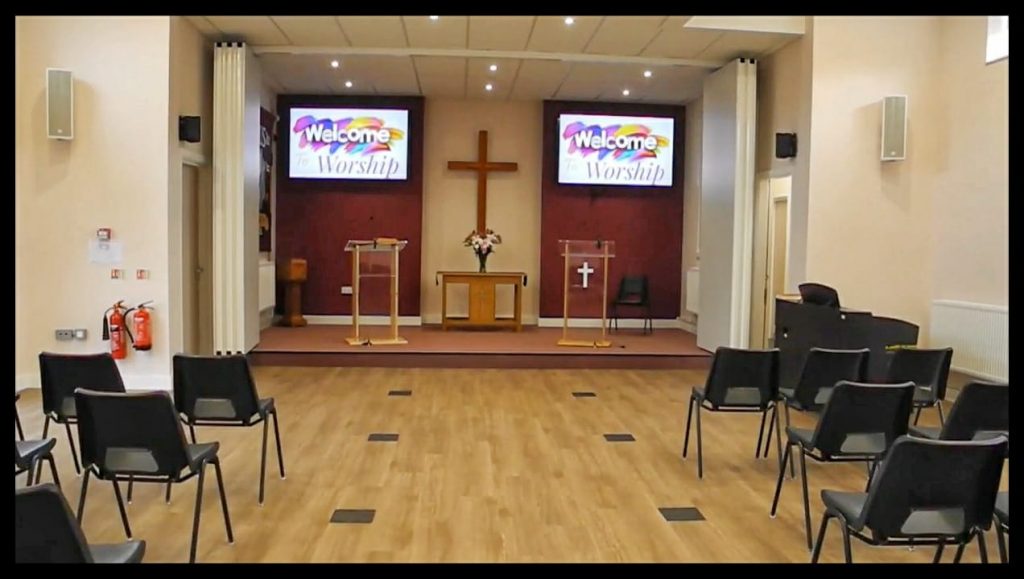
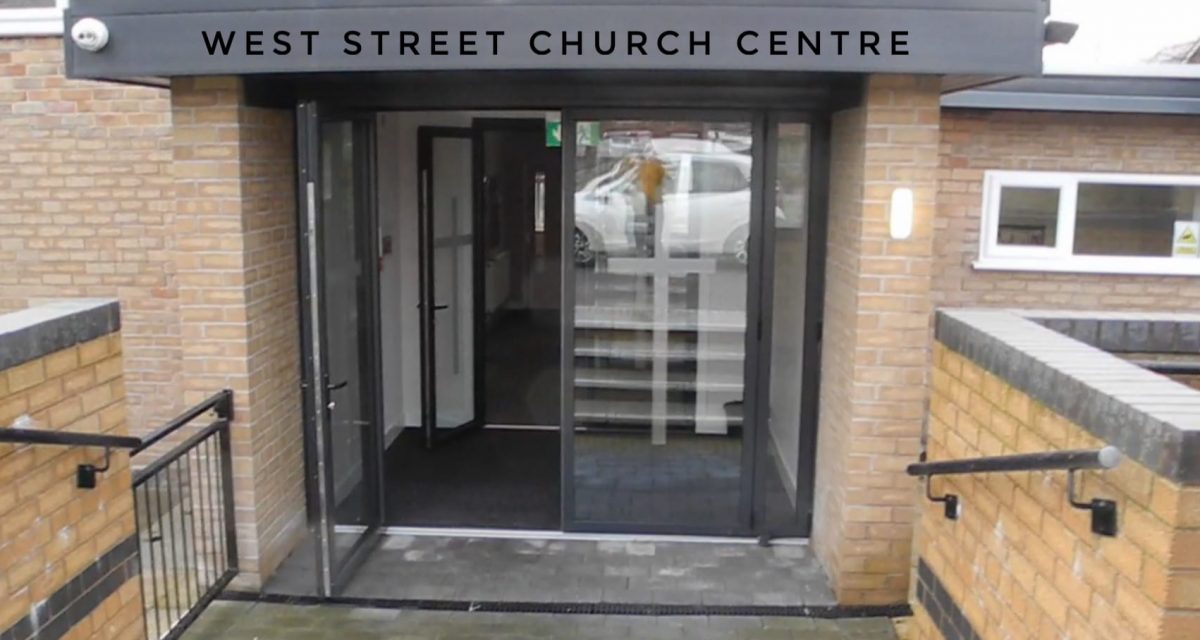
For over 60 years the fellowship enjoyed the use to two buildings, the church and the church hall. The church was the meeting place for the Sunday afternoon women’s meeting, the Sunday afternoon men’s meeting the Sunday evening worship service and weekly choir practice. The hall being used for Sunday School on Sunday afternoon along with midweek activates like the Monday evening womens meeting, the youth club etc. However in the last 20+ years the uses of the two buildings has changed quite dramatically. The church in recent years was used approximately 2 hours a week on a Sunday evening but now but the hall was being used 3, 4 and sometimes 5 days a week for community work and teaching. The general upkeep of the buildings, especially the one approaching 130 years old, (and without adequate insulation), was beginning to become a financial burden for an ageing fellowship. In 2016 we started to look at developing the hall into a multi-function building to serve both church and the local community. After much prayer and fund raising, work on re-ordering the hall commenced at the start of 2020 with the hand over of the building scheduled to take place in November 2020. However, due to the Covid pandemic, the fellowship did not occupy the new ‘Church Centre’ until July 2021.
Here we have a new facility that has been fitted out with state of the art equipment which will provide a base for reaching out in the community in many different ways for many years to come. We have moved buildings, changed worship times and changed the way we worship and as a church, we have grown.
This brings us to the present day. Buildings are needed for worship and for all the other activities in which we participate as a Christian fellowship, and it is important that we maintain them in such a way that in themselves our love for God and our care for those things that belong to Him. But they are only the bricks and mortar, material things, and they can have no future unless there is a group of people who use them as a base for Christian activities. When we, therefore ask “what is the future for the church at West Street?” we really mean “what does the future hold for our Christian family who worship here”? As we look ahead we must accept the fact that things WILL change. Our buildings may change, the way we order our worship may and probably will change, the way we use our premises will change; BUT our concern as God’s people, to influence others in the district so that they may come to share our faith in Christ – that concern must still be ours today just as it was that of our forefathers 130 years ago. With our whole family at West Street working tougher on an agreed programme of Christian witness and service we will find the best way to use all the resources that we have, both personally and collectively, both material and spiritual, to ensure a future that will fulfil all the hopes of those who laboured 130 years ago that there will be a place of worship in West Street.
In God’s strength we can with confidence then proclaim that, ‘The best is yet to come’.